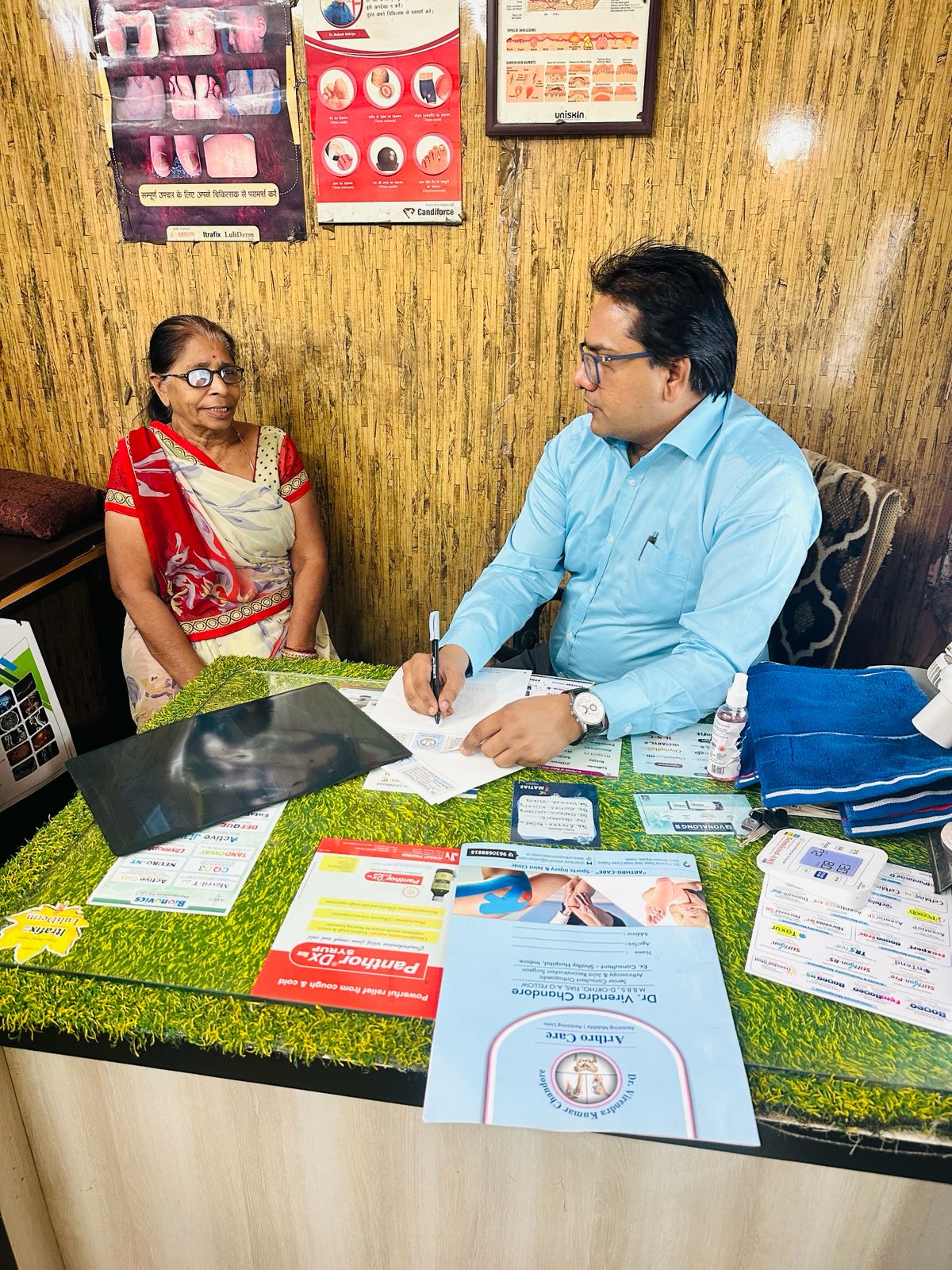
Finding the right orthopedic surgeon near me is an important step when dealing with bone, joint, muscle, ligament, or tendon problems. Whether you are experiencing knee pain, shoulder stiffness, back pain, a sports injury, or a fracture, choosing a qualified orthopedic specialist can help you understand your condition and receive appropriate treatment.
Orthopedic surgeons diagnose and treat conditions affecting the musculoskeletal system. They may recommend medication, physiotherapy, lifestyle changes, minimally invasive procedures, or surgery, depending on the patient’s needs. However, selecting the right specialist requires more than simply choosing the nearest clinic. Qualifications, experience, specialization, communication, and available treatment options should all be considered.
This guide explains how to find an orthopedic surgeon near you and what factors to evaluate before making an appointment.
Looking for a Orthopedic Surgeon Near Me visit here.
What Does an Orthopedic Surgeon Do?
An orthopedic surgeon specializes in diagnosing and treating conditions affecting bones, joints, muscles, ligaments, tendons, and related structures. Although the word surgeon is used in the title, not every patient requires surgery. Many orthopedic conditions can initially be managed with non-surgical treatments.
Common conditions treated by orthopedic surgeons include:
- Knee pain and knee joint injuries
- Hip pain and mobility problems
- Shoulder pain and rotator cuff injuries
- Fractures and other bone injuries
- Sports injuries and ligament tears
- Arthritis and joint stiffness
- Back and neck problems related to the musculoskeletal system
- Tendon injuries and repetitive strain conditions
- Difficulty walking or performing everyday activities
An orthopedic surgeon evaluates your symptoms, medical history, and examination findings to determine the most suitable treatment approach.
How to Choose the Right Orthopedic Surgeon Near Me
Choosing an orthopedic specialist involves several important considerations. The following factors can help you make an informed decision.
1. Check Qualifications and Credentials
Start by reviewing the surgeon’s medical qualifications, orthopedic training, and professional registration. A qualified specialist should have appropriate training in orthopedic care and the skills required to evaluate your condition.
You can check the doctor’s credentials through reliable medical directories, hospital profiles, or relevant professional registration records. Confirming these details helps you make a more informed decision about your healthcare.
2. Consider Experience in Your Specific Condition
Orthopedic care covers many different conditions, and individual surgeons may focus on particular areas. For example, some specialists concentrate on knee and hip replacement, while others treat sports injuries, fractures, shoulder conditions, or spinal problems.
If you have a suspected ACL tear, look for a surgeon experienced in evaluating and treating knee ligament injuries. If you have persistent shoulder pain, consider a specialist familiar with shoulder disorders.
Ask about the surgeon’s experience with your condition, the available treatment options, and the expected recovery process.
3. Look for the Right Orthopedic Specialization
The best orthopedic surgeon for you depends on your symptoms and diagnosis. Different orthopedic subspecialties address different medical needs.
Examples include:
- Knee and hip specialists: Evaluate arthritis, joint damage, and joint replacement needs.
- Sports injury specialists: Treat ligament tears, tendon injuries, and exercise-related conditions.
- Trauma specialists: Manage fractures and complex injuries.
- Shoulder specialists: Assess rotator cuff injuries, stiffness, and shoulder instability.
- Spine specialists: Evaluate selected spinal conditions affecting movement and function.
Choosing a surgeon with relevant expertise can help ensure that your condition receives appropriate attention.
4. Evaluate the Diagnostic Approach
Accurate diagnosis is essential for effective orthopedic treatment. During your appointment, the surgeon should ask about your symptoms, when the pain began, previous injuries, medical history, and activities that make the problem worse.
Depending on the findings, diagnostic tests such as X-rays, MRI scans, or other investigations may be recommended.
Not every patient needs advanced imaging. A good diagnostic approach involves selecting tests based on clinical findings rather than recommending unnecessary investigations.
5. Understand the Available Treatment Options
When searching for an orthopedic surgeon near me, look for a specialist who explains the treatment options relevant to your condition.
Treatment may include medication, activity modification, physiotherapy, supportive devices, injections when appropriate, or surgery. The recommended approach depends on the diagnosis, symptom severity, overall health, and response to previous treatment.
Surgery is not always the first option. For some conditions, non-surgical management can provide meaningful relief. When surgery is appropriate, the surgeon should explain its potential benefits, risks, alternatives, and expected recovery.
6. Read Patient Reviews Carefully
Online reviews can provide insight into patients’ experiences with appointment scheduling, communication, clinic facilities, and follow-up care.
However, reviews should not be the only factor in choosing an orthopedic surgeon. Individual experiences vary, and online ratings do not necessarily measure clinical quality.
Consider multiple sources of information and prioritize verified qualifications, relevant experience, clear communication, and an appropriate treatment plan.
7. Choose a Convenient Location
Searching for an orthopedic surgeon near me can help you identify specialists in your local area. Location matters because orthopedic treatment may involve repeated consultations, physiotherapy appointments, diagnostic tests, and post-operative follow-ups.
Consider the clinic’s distance from your home or workplace, accessibility, appointment availability, and proximity to appropriate medical facilities.
For patients in Indore, for example, searching for an orthopedic surgeon in Indore can help narrow the options to locally accessible orthopedic services. Always verify the clinic’s current address, services, and consultation timings before visiting.
8. Assess Communication and Patient Support
A good doctor-patient relationship involves clear explanations, respectful communication, and realistic expectations.
During your consultation, the surgeon should explain your diagnosis in understandable language and give you an opportunity to ask questions. You should feel comfortable discussing pain, mobility limitations, treatment concerns, and recovery expectations.
Ask how progress will be monitored, what warning signs to watch for, and when you should return for follow-up care.
When Should You Consult an Orthopedic Surgeon?
You should consider consulting an orthopedic specialist if you experience persistent joint pain, recurring swelling, restricted movement, repeated sports injuries, or difficulty performing routine activities.
An evaluation may also be helpful when pain continues despite initial treatment or when an injury affects your ability to walk, work, or exercise.
Seek urgent medical attention if you have a suspected fracture, a visibly deformed limb after an injury, an open wound with a possible fracture, or sudden severe pain with an inability to bear weight. A hot, red, swollen joint accompanied by fever also requires urgent assessment. Do not delay emergency care while searching for a particular specialist.
IF You want Orthopedic Surgeon Near Me visit here.
Questions to Ask Before Choosing an Orthopedic Surgeon
Preparing questions before your appointment can help you understand your condition and treatment plan.
Consider asking:
- What is causing my symptoms?
- Do I need any diagnostic tests?
- What treatment options are suitable for my condition?
- Can the condition be managed without surgery?
- What are the possible risks and benefits of the recommended treatment?
- How long might recovery take?
- Will I need physiotherapy or follow-up appointments?
- What symptoms should prompt me to seek urgent care?
The answers can help you make informed decisions and understand what to expect during treatment.
Why Local Orthopedic Care Matters
Choosing a nearby orthopedic specialist can make it easier to attend consultations, complete rehabilitation, and receive follow-up care. Local access can be particularly helpful for patients recovering from fractures, ligament injuries, joint procedures, or mobility problems.
When evaluating local options, check the doctor’s qualifications, relevant experience, available facilities, and the types of conditions treated. Confirm that the clinic provides the services you need rather than relying solely on its location or online visibility.
For people searching for an orthopedic surgeon near me in Indore, including the city name in a search can help identify relevant local providers. The final choice should be based on individual medical needs and reliable information about the specialist.
Frequently Asked Questions
How do I find the best orthopedic surgeon near me?
Check the surgeon’s qualifications, experience with your condition, relevant specialization, patient communication, and treatment approach. Consider location and follow-up access, but do not rely on online ratings alone.
Do orthopedic surgeons treat joint pain without surgery?
Yes. Depending on the cause, treatment may include medication, physiotherapy, activity modification, or other non-surgical approaches. Surgery is considered when clinically appropriate.
When should I see an orthopedic surgeon for knee pain?
Consider an appointment if knee pain persists, swelling returns, movement becomes limited, or the pain interferes with daily activities. Sudden severe pain or an inability to bear weight after an injury requires prompt medical assessment.
What should I bring to my first orthopedic appointment?
Bring previous medical reports, relevant imaging results, a list of current medications, information about previous injuries, and details about your symptoms. This information can help the doctor assess your condition.
Is a nearby orthopedic surgeon always the best choice?
Not necessarily. A convenient location is useful, but the surgeon’s qualifications, experience, specialization, and suitability for your condition are more important than distance alone.
Conclusion
Finding the right orthopedic surgeon near me starts with understanding your symptoms and identifying a qualified specialist with relevant experience. Review credentials, consider the doctor’s area of expertise, understand the available treatment options, and choose a provider who communicates clearly and supports appropriate follow-up care.
Whether you need an assessment for knee pain, a sports injury, a fracture, or another musculoskeletal problem, informed decision-making can help you take the next step toward better mobility and function. Prioritize appropriate medical care, ask questions during your consultation, and choose an orthopedic specialist whose expertise matches your healthcare needs.