By Dr. Virendra Chandore, Orthopedic Doctor, ArthoCare (near Geetabhawan, Indore)
If hip pain has started controlling your day, whether it is trouble putting on socks, climbing stairs, or simply walking to the market, you may have started searching for hip replacement surgery in Indore. It’s a big decision, and a confusing one too, because most of what comes up online is written to rank on Google rather than to actually help you understand your own hip.
I am Dr. Virendra Chandore, an orthopedic doctor at ArthoCare, near Geetabhawan, Indore. I have performed hip replacements for patients across age groups, from active seniors who want to keep gardening and travelling, to younger patients dealing with joint damage from injury or avascular necrosis. In this article, I want to explain the real, practical side of hip replacement, without the exaggerated claims you often find online.
Looking for a Hip Replacement Surgery in Indore visit here.
What is hip replacement surgery?
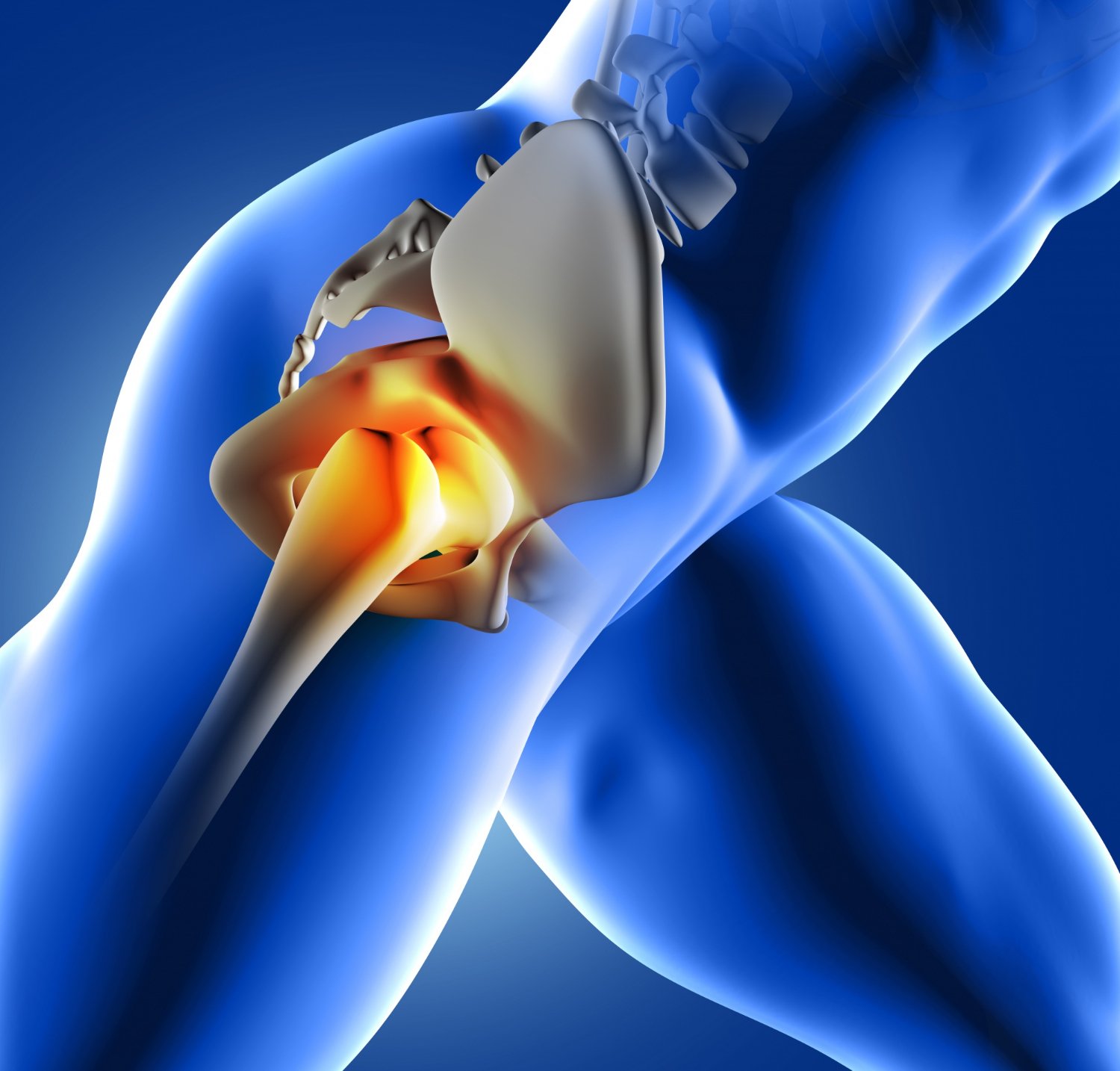
The hip is a ball-and-socket joint. Over time, due to arthritis, injury, or a condition called avascular necrosis (where the bone loses its blood supply and weakens), the cartilage cushioning this joint wears away. Bone starts rubbing against bone, causing pain, stiffness and difficulty moving.
In hip replacement surgery, the damaged ball and socket are removed and replaced with an artificial implant, usually made of metal, ceramic or a durable plastic. The goal is simple: reduce pain and restore movement, so you can go back to daily life without the joint holding you back.
There are two main types:
- Total hip replacement: both the ball and the socket are replaced. This is the most common procedure for arthritis.
- Partial hip replacement: only the ball (femoral head) is replaced. This is more often used after certain hip fractures.
Signs you may need to consider it
- Hip pain that doesn’t improve with rest, medication or physiotherapy
- Pain that disturbs your sleep
- Stiffness that makes it hard to put on shoes or socks
- A noticeable limp, or needing a stick or support to walk
- Pain that limits daily activities you used to do easily
- X-rays showing significant joint damage or arthritis
Hip replacement is not usually the first step. It’s generally considered once conservative treatment, medication, physiotherapy, weight management, activity changes, has stopped giving enough relief. This is an important point, because not every hip pain needs surgery, and I say that as the surgeon, not despite being one.
How I decide if surgery is the right step
There isn’t a shortcut here. I look at:
- Your symptoms and how they affect daily life, not just an X-ray
- X-rays and sometimes an MRI, to see the extent of joint damage
- Your overall health, since fitness for surgery and anaesthesia matters
- Your activity level and goals, a younger, active patient and an older patient with other health conditions are planned differently
- Whether conservative treatment has genuinely been tried, and for how long
I will be honest with you if surgery isn’t needed yet, and equally honest if I think you’ve waited too long already. Both happen.
What actually happens during the surgery
Total hip replacement is done under anaesthesia (spinal or general, decided with the anaesthetist based on your health). The damaged joint surfaces are removed and replaced with the implant, which is fixed to the bone. Depending on the technique and your anatomy, the procedure typically takes one to two hours.
Many hospitals today use less invasive approaches with smaller incisions, which can mean less muscle disruption and a somewhat quicker early recovery, though the exact technique depends on your specific case, not a one-size-fits-all promise.
Recovery: an honest timeline
You will see claims online of “walking the same day” or “back to normal in a week.” Some patients do recover quickly, but recovery genuinely varies by person, so I’d rather give you a realistic range than a marketing line.
- Day 1 to 2: most patients are helped to stand and take a few steps with support, often the same or next day
- Week 1 to 2: walking with a walker or stick, physiotherapy begins to rebuild strength and movement
- Week 3 to 6: progressing to a cane, then often walking unsupported, depending on healing and strength
- 6 to 12 weeks: returning to most daily activities, driving once your surgeon confirms it’s safe
- 3 to 6 months: continued improvement in strength and stamina; most patients feel significantly better by this point
Physiotherapy is not optional here. It is one of the biggest factors in how well and how fast you recover, more than the implant brand or the exact surgical technique.
How long does a hip implant last?
Modern hip implants are built to last many years, and most patients do very well for well over a decade, often 15 to 20 years or more, depending on the implant, your activity level, weight and bone health. I avoid giving a single guaranteed number to every patient, because it genuinely depends on individual factors. What I can tell you honestly is that implant technology today is far more durable and reliable than it was even a decade ago.
Risks, spoken about honestly
Every surgery carries risk, and a good surgeon discusses this openly rather than glossing over it. Possible risks with hip replacement include infection, blood clots, differences in leg length, dislocation of the implant, and, rarely, the need for further surgery. These risks are relatively low with proper technique, a well-equipped facility and careful aftercare, but they are not zero, and you deserve to know that before deciding.
How to choose a surgeon: beyond the “best” label
- Almost every website claims to have the “best hip replacement surgeon.” That word alone won’t tell you anything useful. What actually matters:
- Qualifications and specific experience in joint replacement, not just orthopedics broadly
- The hospital or facility where the surgery is performed, and its infrastructure
- How clearly your questions are answered, including about risks, not just benefits
- Whether a genuine physiotherapy plan is part of your care, not just the surgery day
How your case is explained to you, with your X-rays and options, not just a recommendation
Ask to see your own X-rays. Ask what specifically is damaged. A surgeon who takes the time to show and explain this to you is generally one worth trusting.
IF You want Hip Replacement Surgery in Indore visit here.
Common mistakes I see
- Waiting too long, which can lead to more muscle weakness and a harder recovery
- Choosing based on price or advertising alone, without checking the surgeon’s actual experience
- Skipping physiotherapy after surgery, thinking the implant alone will do the work
- Believing every claim online, including “guaranteed” recovery timelines that don’t account for individual health
- Not asking about risks, and being surprised later
When should you book a consultation?
Come in if:
- Hip pain is limiting your daily activities despite medication and physiotherapy
- You have been told you have hip arthritis or avascular necrosis
- You want a second opinion before deciding on surgery elsewhere
- You simply want clarity on whether surgery is needed at all
Frequently asked questions
At what age is hip replacement usually done?
It is more common after 50 to 60, but it is decided by joint damage and symptoms, not age alone. Younger patients with severe arthritis or avascular necrosis may also need it.
Is hip replacement a major surgery?
Yes, it is a significant surgery, but it is also one of the most well-established and successful procedures in orthopedics, with a strong track record when done by an experienced team.
How soon can I walk after hip replacement?
Many patients take their first supported steps within a day or two, though the pace of recovery varies by person and overall health
Can both hips be replaced together?
In some cases, yes, but this decision depends on your overall health and is made carefully after assessment. Many surgeons prefer staged surgeries for safety.
Will I need physiotherapy after surgery?
Yes, and it is one of the most important parts of recovery. It rebuilds strength, movement and confidence in the new joint.
How do I know if I need hip replacement or if physiotherapy is enough?
This needs an actual examination and X-rays. Many patients improve significantly with physiotherapy and medication and never need surgery. A consultation will give you a clear answer for your specific case.
Final words
Hip replacement can genuinely change your quality of life when it is truly needed, and done well. But the decision deserves honest information, not marketing claims. Understand your own condition, ask real questions, and choose care based on experience and clarity, not just a search ranking.
If hip pain is holding you back, book a consultation with Dr. Virendra Chandore at ArthoCare, near Geetabhawan, Indore, and get a clear, honest assessment of your options.